
From an African Safari to a Mission of Hope
Bringing Diabetes Care to a Remote Village in Zimbabwe
As many of you know, I recently had the extraordinary opportunity to travel through Botswana, South Africa, and Zimbabwe on what became one of the most meaningful journeys of my life.
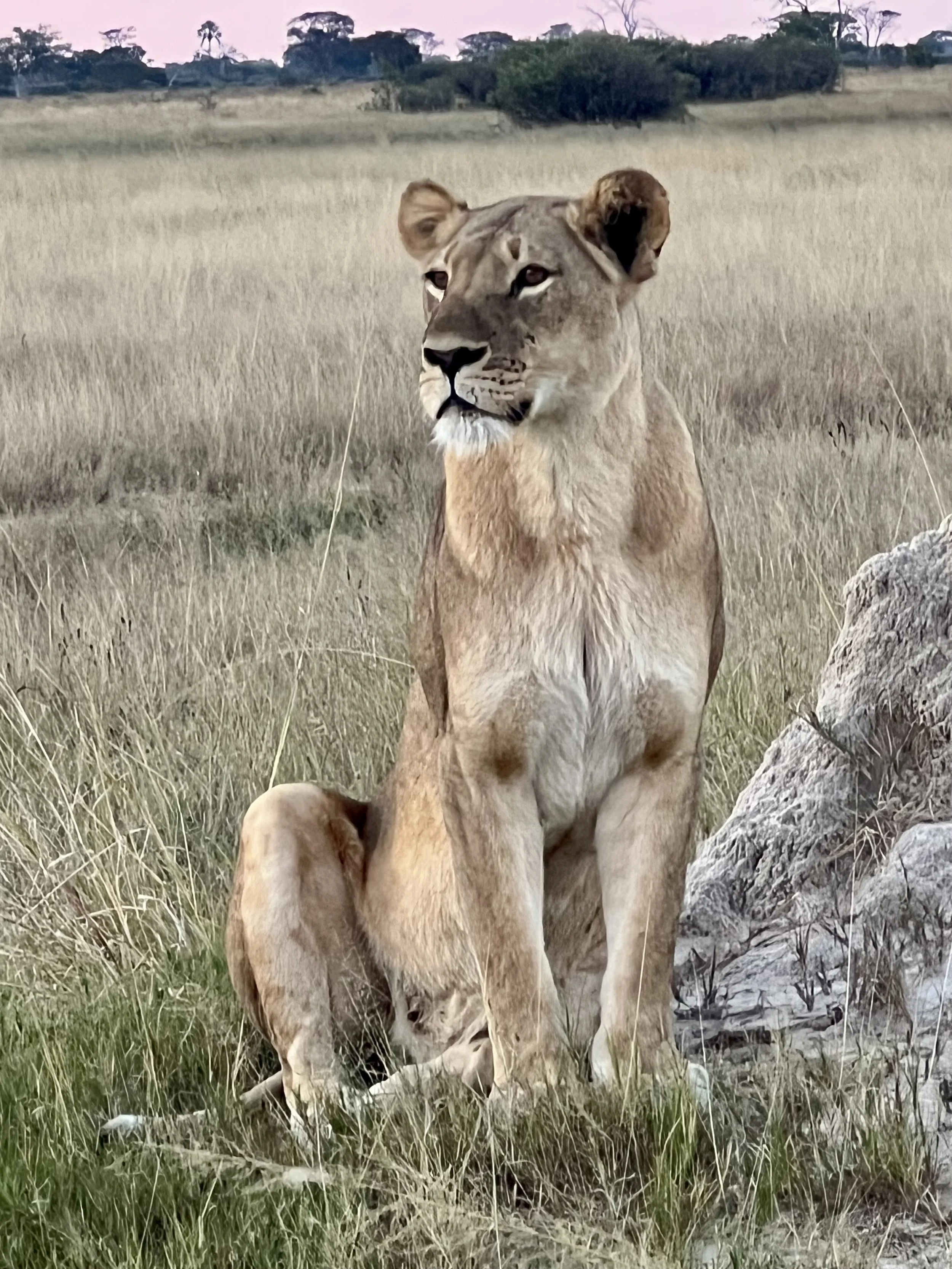
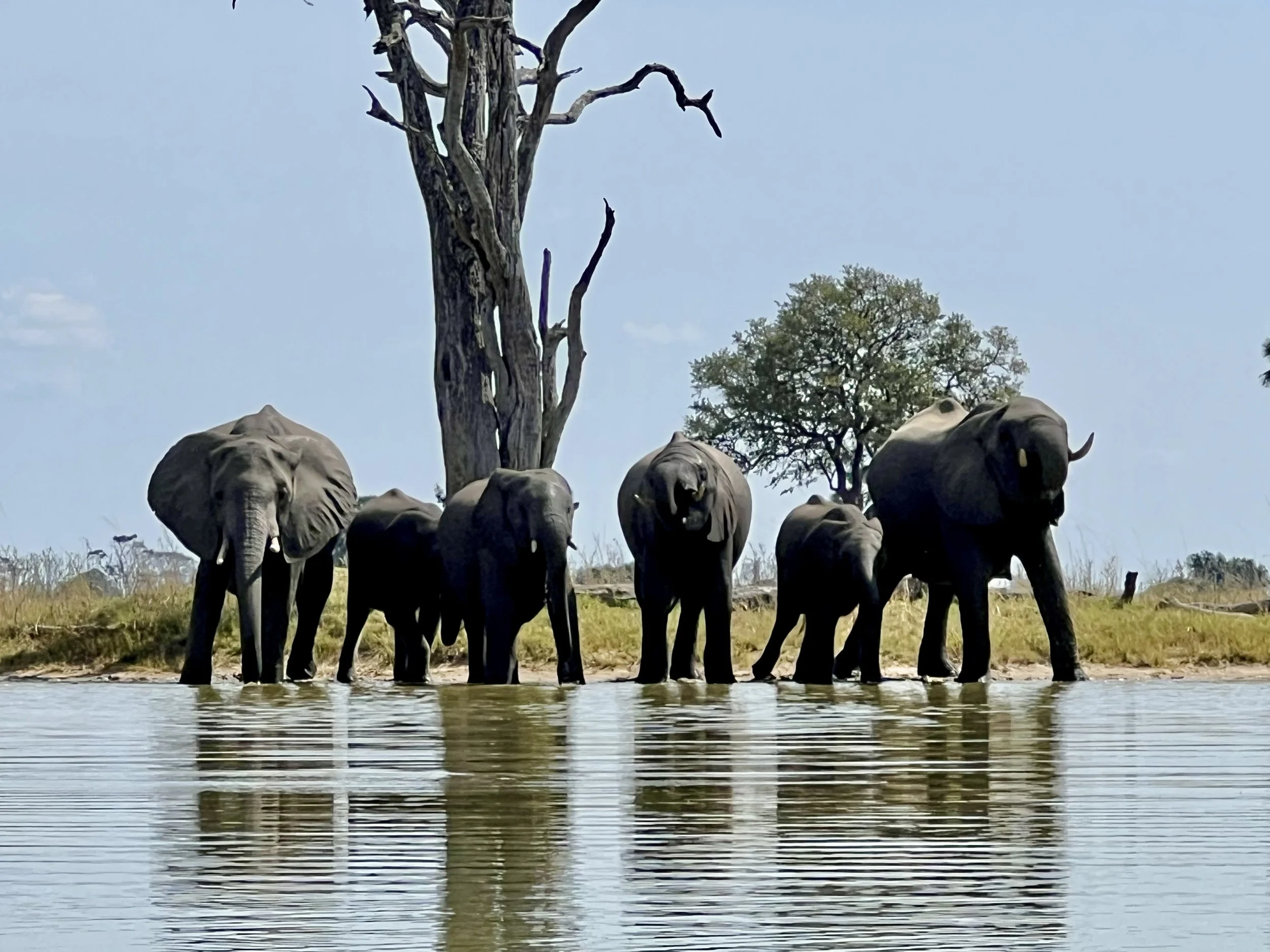
As a lifelong lover of nature, I was overwhelmed by the breathtaking landscapes and magnificent wildlife. We encountered giraffes, zebras, elephants, buffalo, hippos, ostriches, jackals, wildebeest, hyenas, and, perhaps most memorably, the majestic African lions. Their beauty and power were unforgettable. Equally memorable were the people we met—warm, welcoming, gracious, and generous in spirit.
During our stay in Zimbabwe's spectacular Hwange National Park, lions emerged each evening for their nocturnal hunts, while elephants wandered through our camp on their way to the waterhole. Some even spent hours outside our tent, noisily feasting on the surrounding trees as we tried to sleep!
But it was an experience beyond the safari camp that ultimately changed the purpose of my journey.
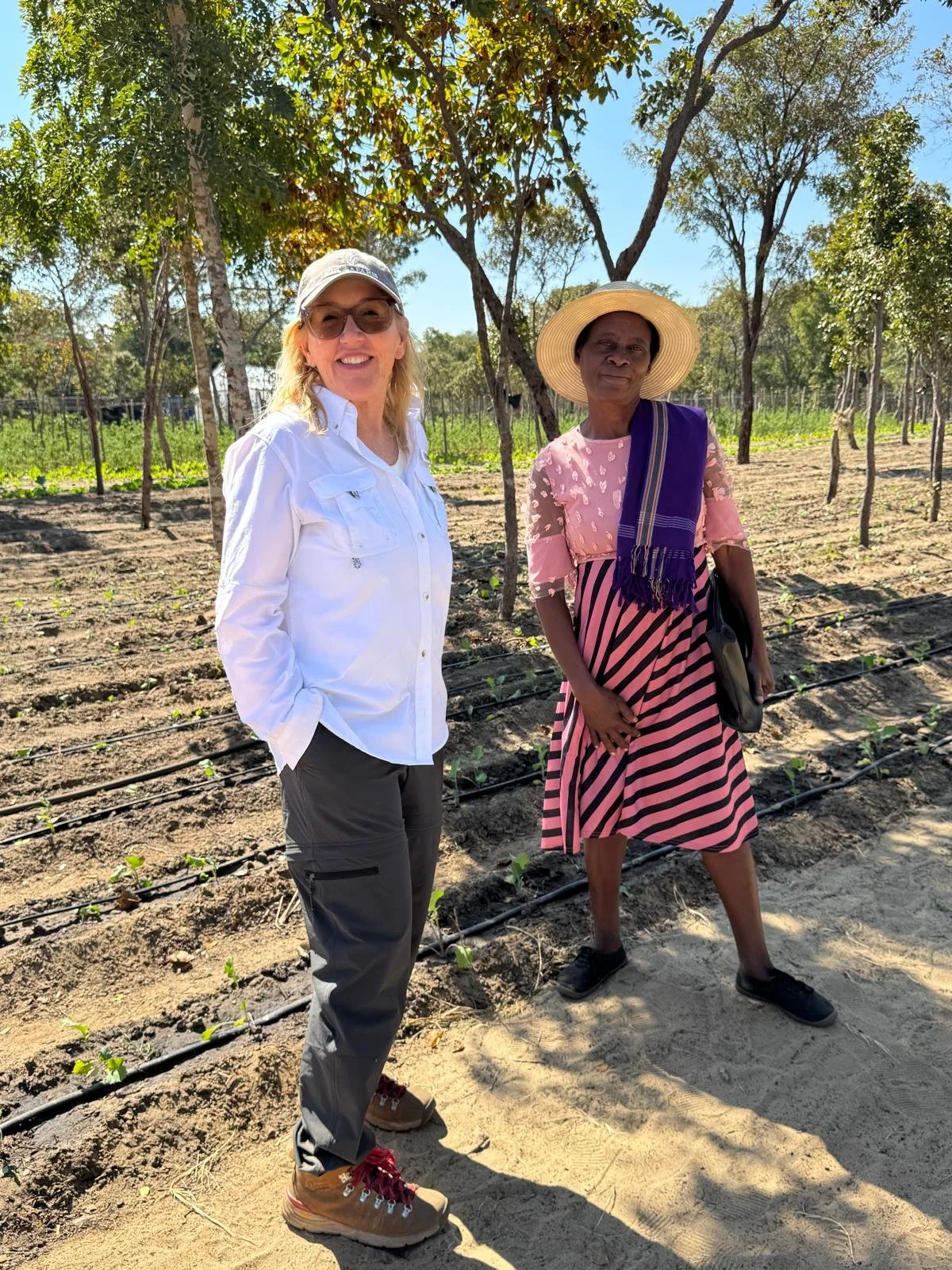
We were invited to visit the remote Ngomo Plains village and its agricultural school, traveling for hours along rugged dirt roads through seemingly endless wilderness. At the school, we met remarkable young students learning to cultivate the land, raise livestock, and build sustainable livelihoods in an environment where daily life presents challenges most of us can scarcely imagine.
As a physician specializing in internal medicine and endocrinology, I naturally wondered about access to medical care, particularly for patients with diabetes.
I asked whether there were people in the village who needed help managing their diabetes. I was introduced to a slender woman who carefully brought out years of handwritten blood glucose logs. Page after page documented readings consistently in the 300s. It was immediately apparent that her diabetes was profoundly uncontrolled and that she needed insulin therapy.
Yet the obstacles to providing even basic diabetes care were enormous.
Reliable refrigeration for insulin was extremely limited, if available at all. Access to medications, glucose testing supplies, and medical professionals was scarce. Villagers sometimes had to walk miles to reach a small clinic with limited resources, navigating an environment where wildlife—including lions and elephants—roam freely.
We offered to drive this woman home. Shortly afterward, our vehicle encountered a magnificent pride of lions making its way down the road for the evening hunt. The contrast was striking: the extraordinary beauty of the wilderness and the very real challenges of simply living within it.
At the agricultural school, we also met 18-year-old students who had been selected for a program teaching agricultural skills and ways to protect their livestock from predators. Even obtaining enough protective materials to safeguard their cattle could take months. Yet these young people demonstrated remarkable resilience, ambition, and hope for their futures.
I left profoundly moved by the people we had met and by the enormous disparity between the medical resources we take for granted and those available to this remote community.
I knew I wanted to do something to help.
What began as a simple question about diabetes care has now evolved into a small but meaningful charitable initiative.
Together with a group of enthusiastic University of Michigan students, friends, family members, and generous supporters, we are developing a pilot program to assist ten patients with diabetes in the Ngomo Plains community.
Our initial goal is to provide essential diabetes testing supplies, insulin administration supplies, and solar-powered refrigeration solutions where needed. We also hope to support the local clinic nurse through remote educational consultations, including guidance on diabetes management and safe insulin use, coordinated with the local healthcare team.
We are working toward a model that is practical, sustainable, and responsive to the needs of the community—not simply a one-time delivery of medical supplies.
Zimbabwe faces significant healthcare infrastructure challenges, particularly in remote rural areas. Even modest resources, when thoughtfully directed, can make a meaningful difference.
I recognize that we cannot solve every problem. But we can begin with ten patients, work alongside the people already caring for them, and hopefully establish a foundation for something that can grow.
This journey began with a love of wildlife and the extraordinary beauty of Africa. It has become something much more personal: an opportunity to connect our medical knowledge, resources, and generosity with people whose lives may be changed by access to basic healthcare.
I am grateful to everyone who has already expressed an interest in helping, and I look forward to sharing our progress as this initiative takes shape.
Sometimes the most meaningful journeys are the ones that lead us somewhere we never expected to go.
With gratitude,
Cindy Williams, MD
Children in the Wilderness, Empowers Africa
Please explore the video below to learn more about this incredible program, then scroll down to the bottom of this page to learn more about the 20 students we are looking to sponsor.
Meet the Students
Scroll down to meet the students on this amazing program then click on the images to hear each of their stories.
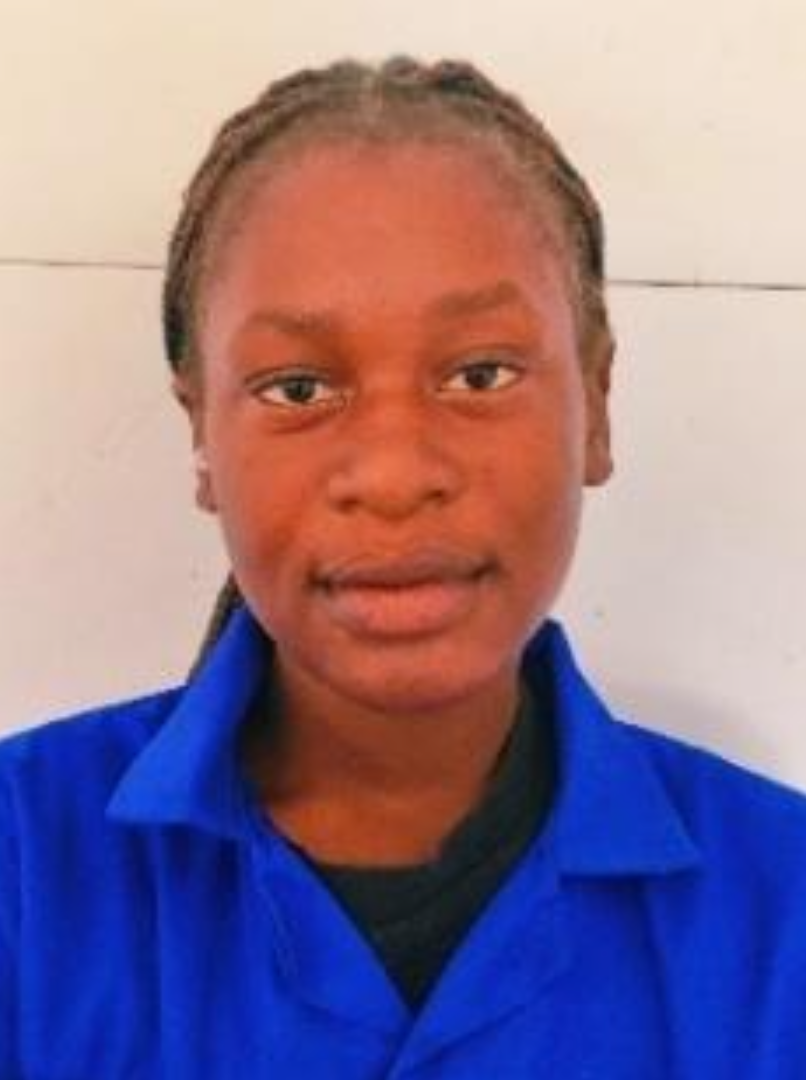
Annastacia Nkomo, Age 21
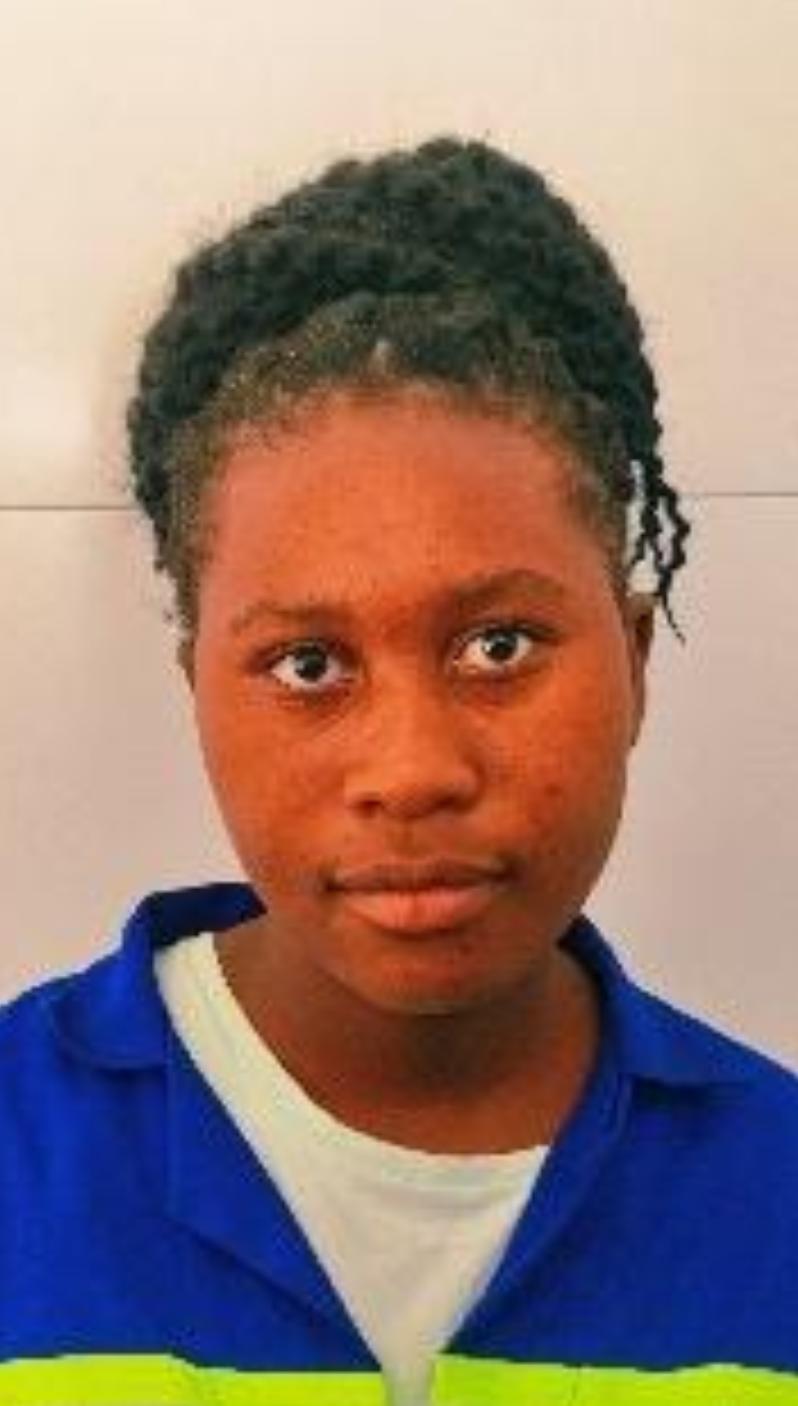
Ayanda Alice Ncube, Age 18
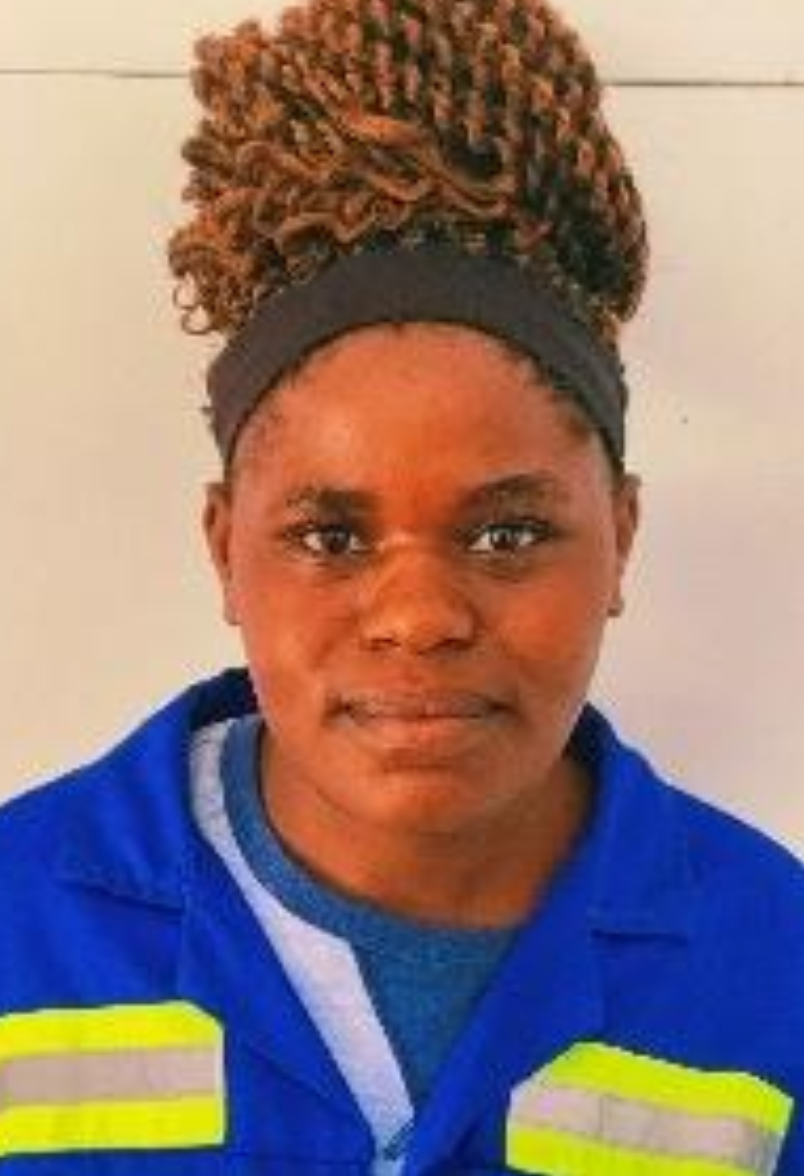
Ayanda Mthombeni, Age 19
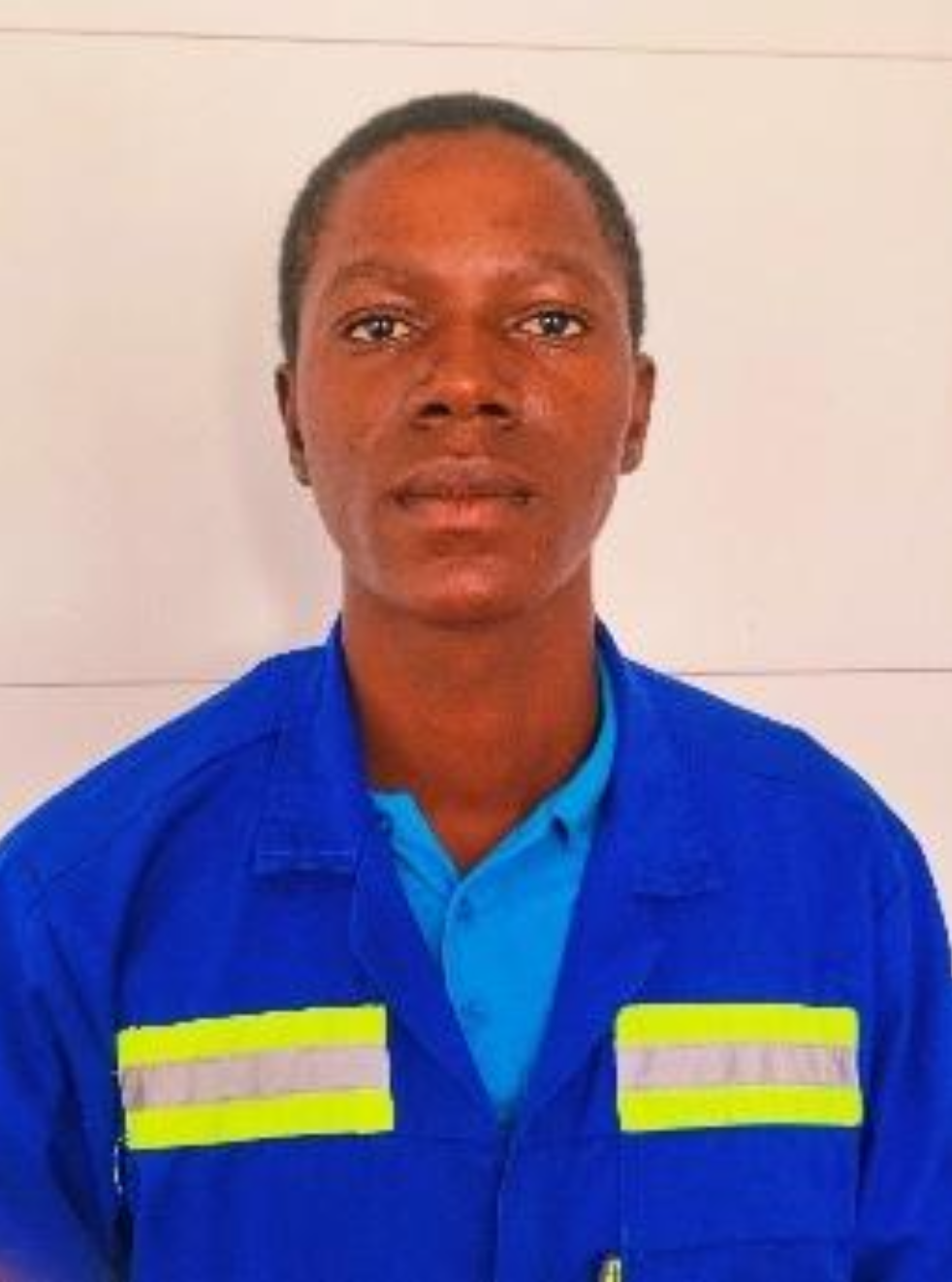
Blessing Mpofu, Age 21
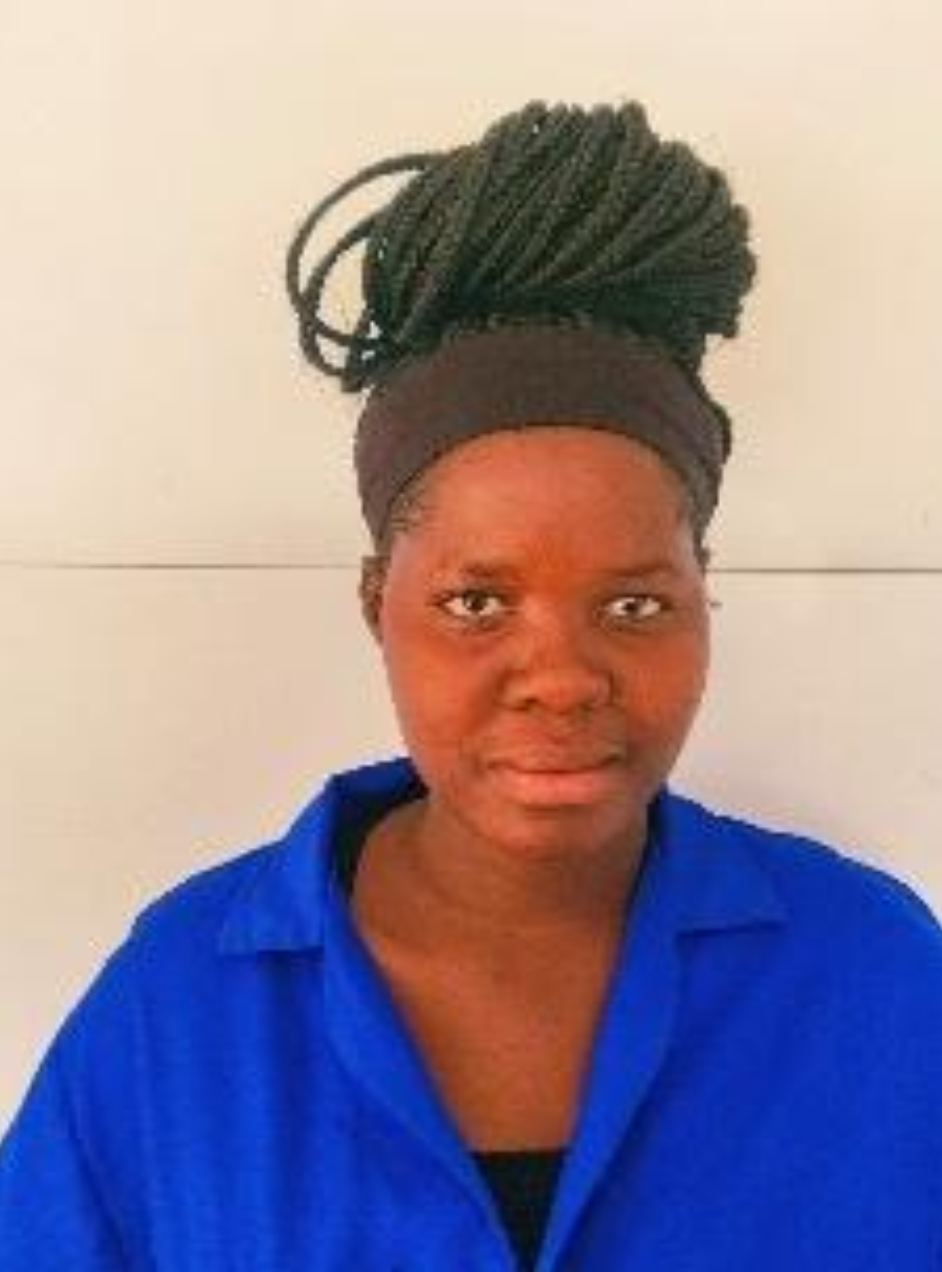
Beatrice A Mthombeni, Age 16
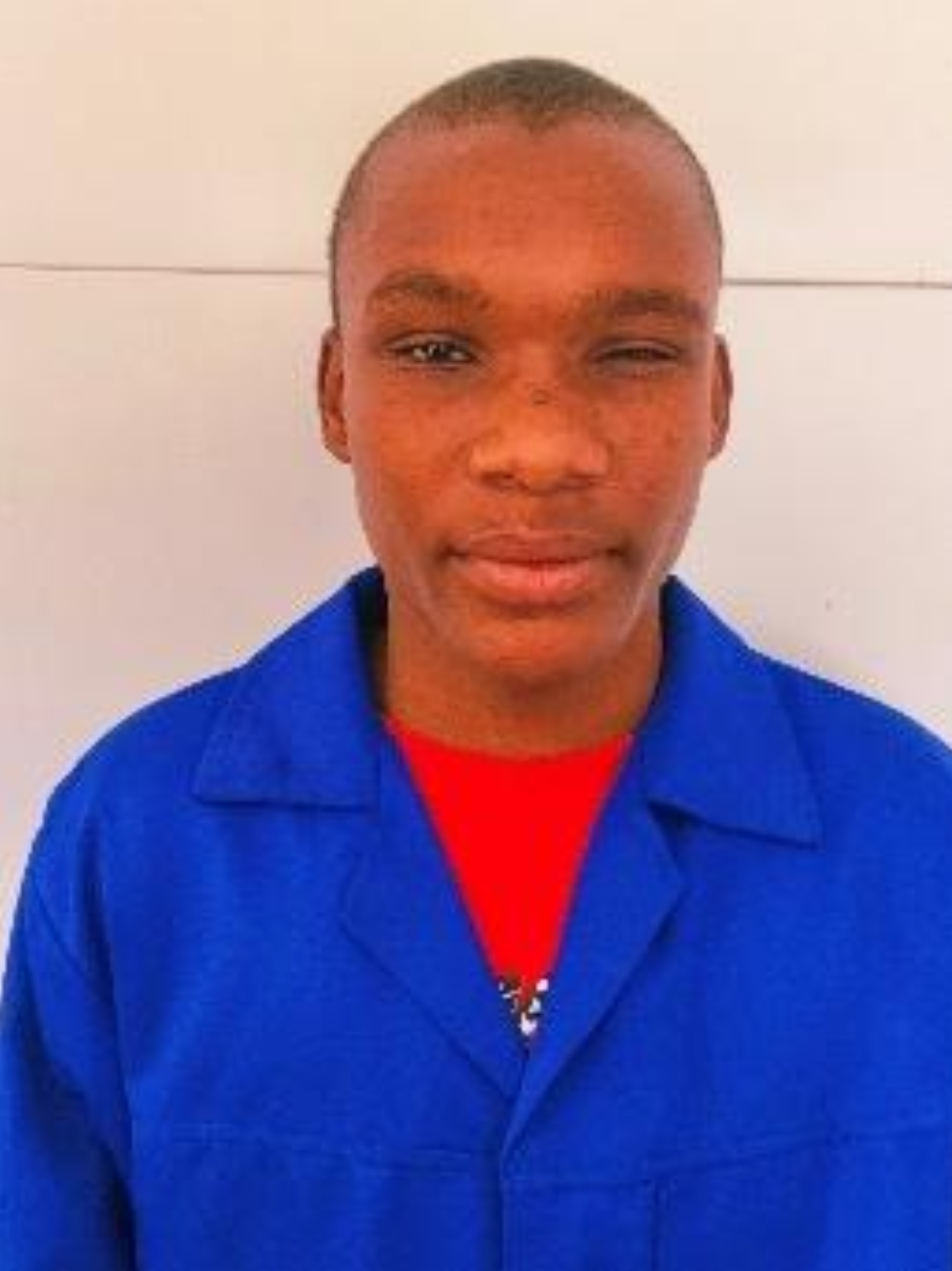
Carlos Sibanda, Age 17
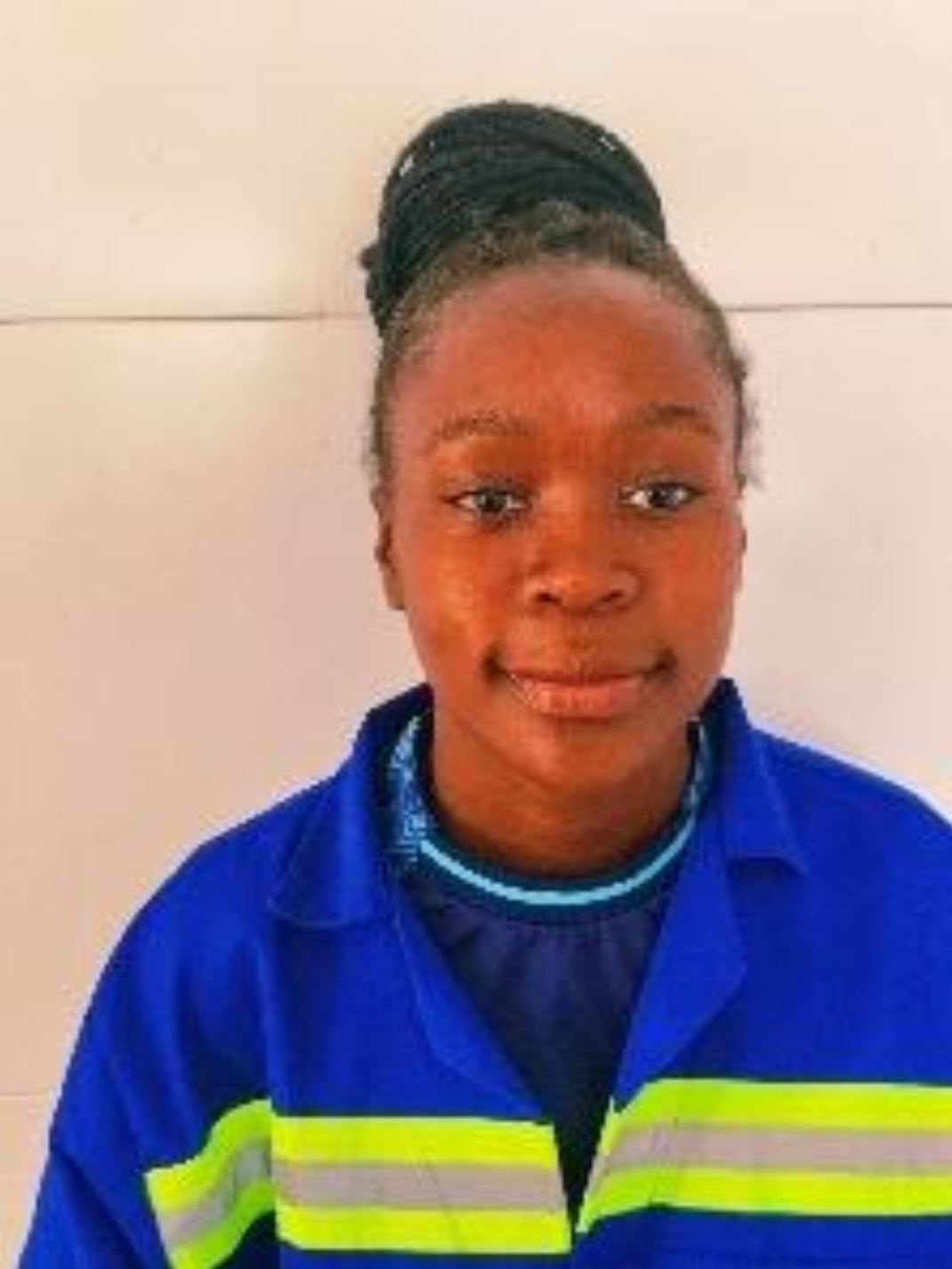
Effecient Tshuma, Age 20
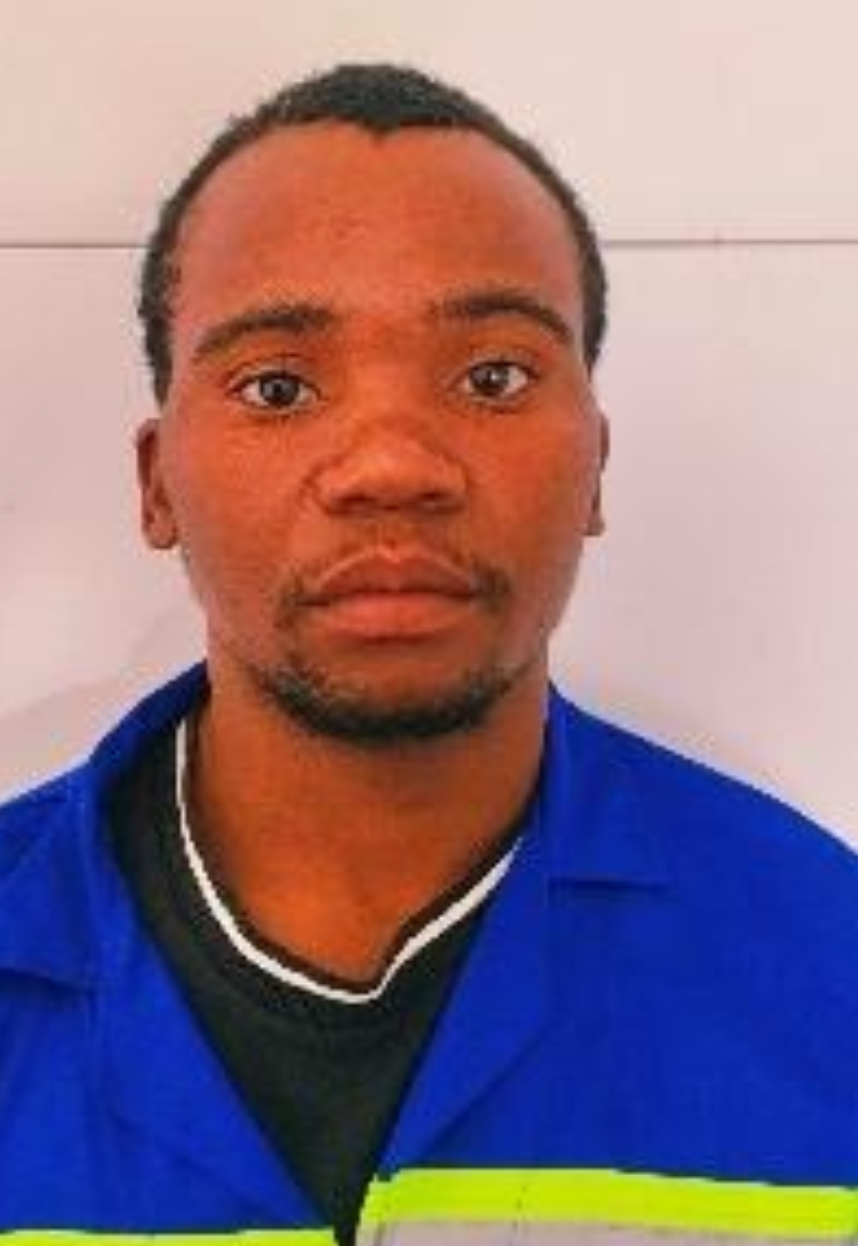
Jones Limit Dube, Age 23
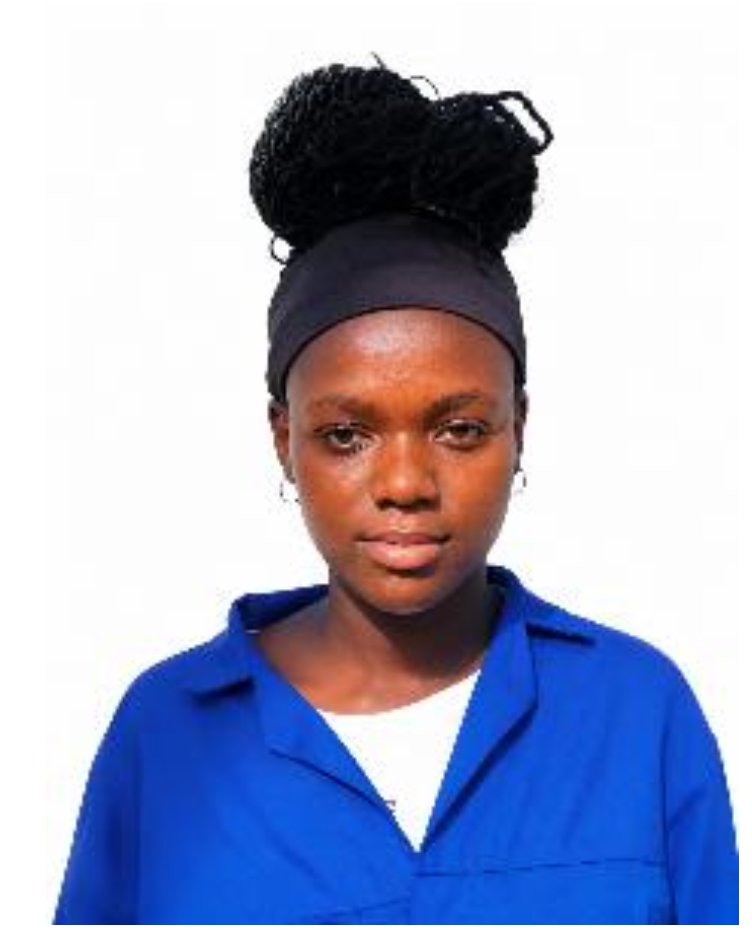
Laurell Ndlovu, Age 19
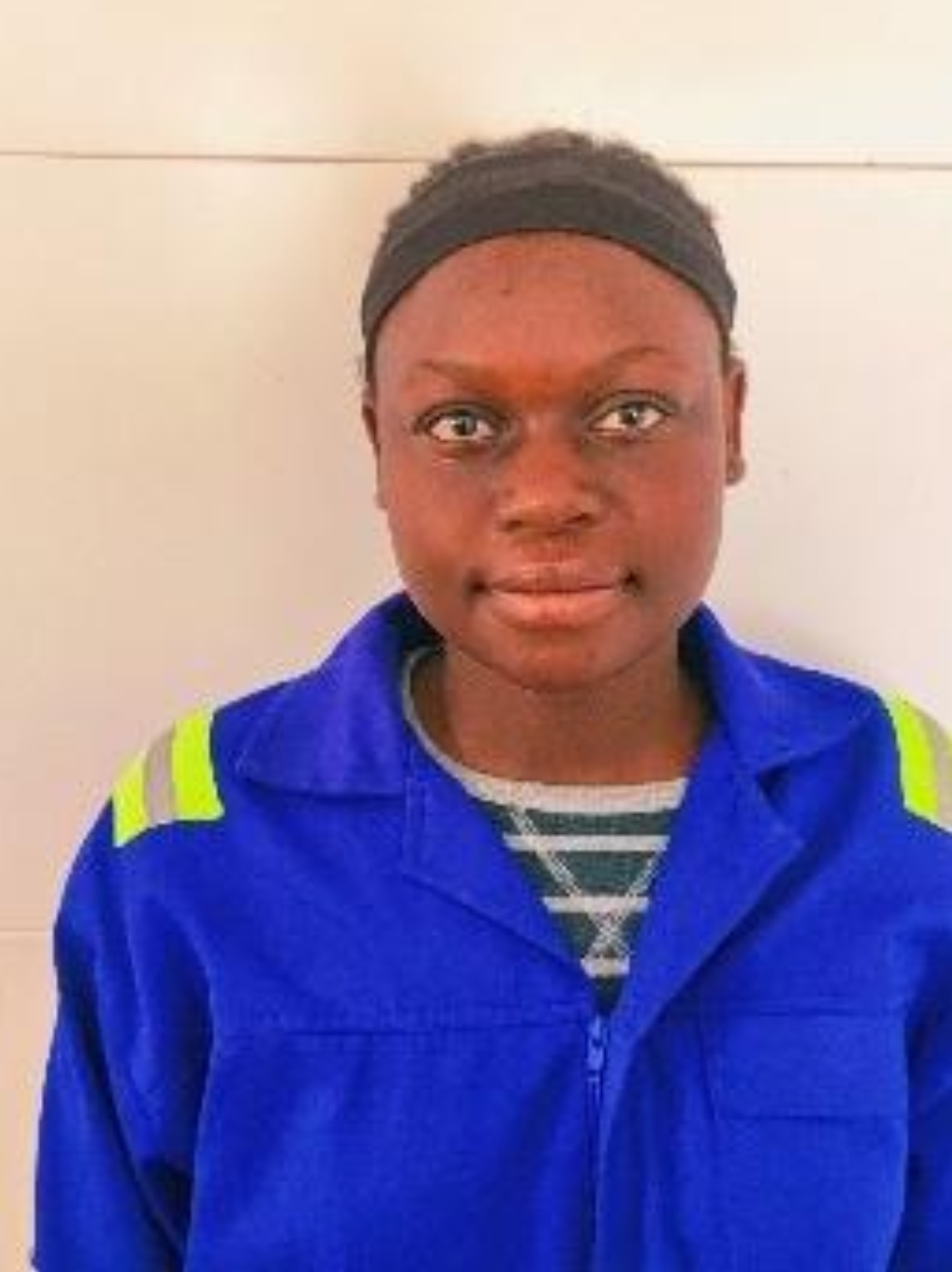
Christabel S Ncube, Age 19
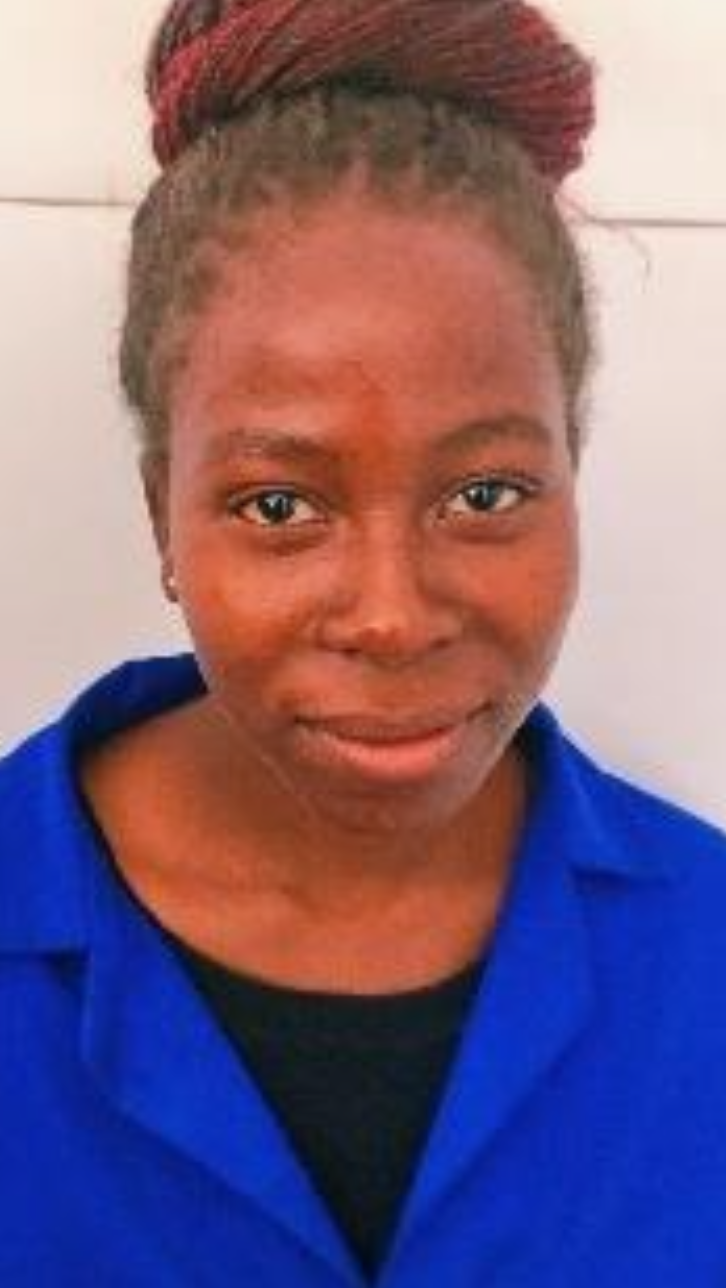
Elomusa Moyo, Age 21
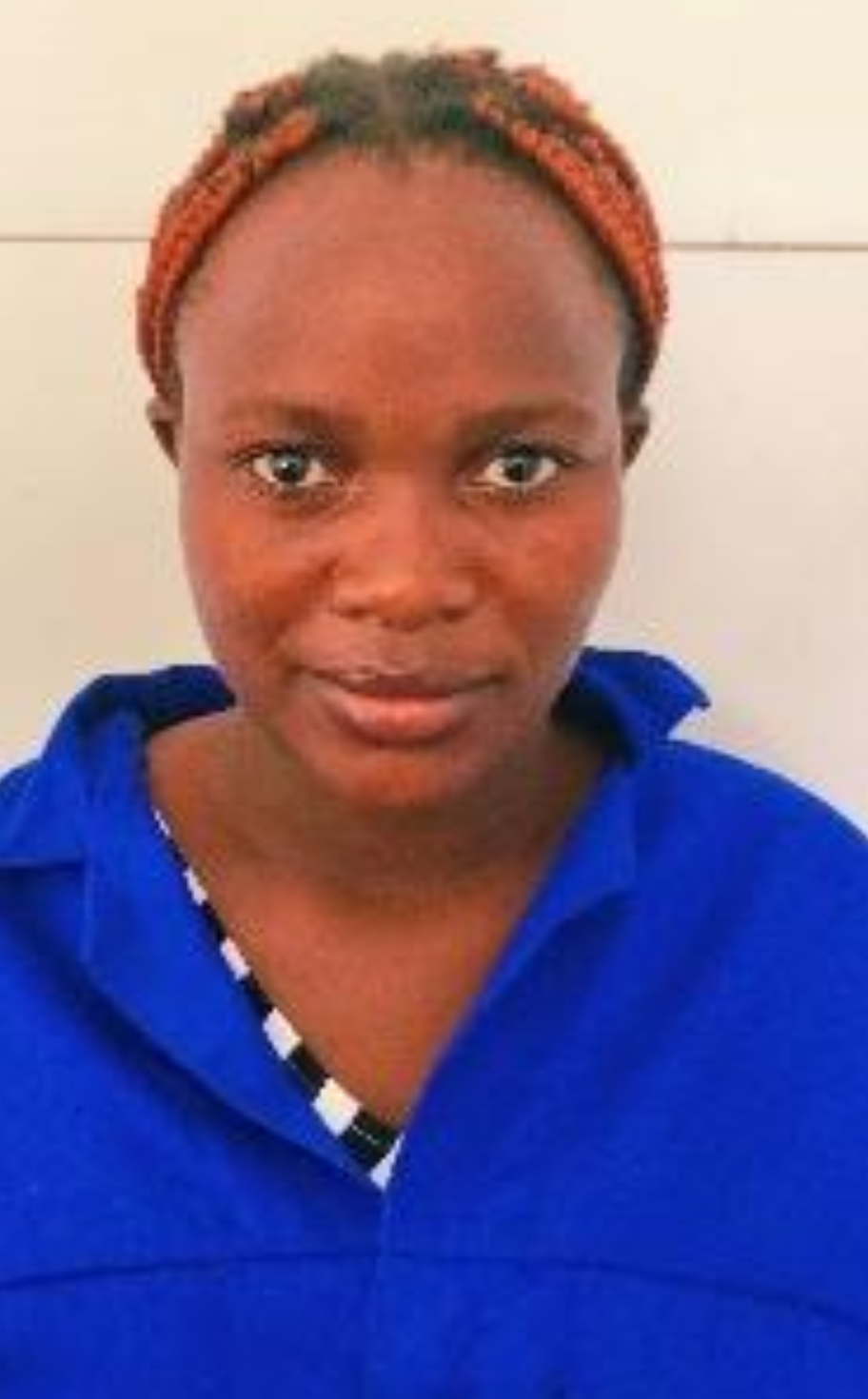
Khayelihle Sibanda, Age 19
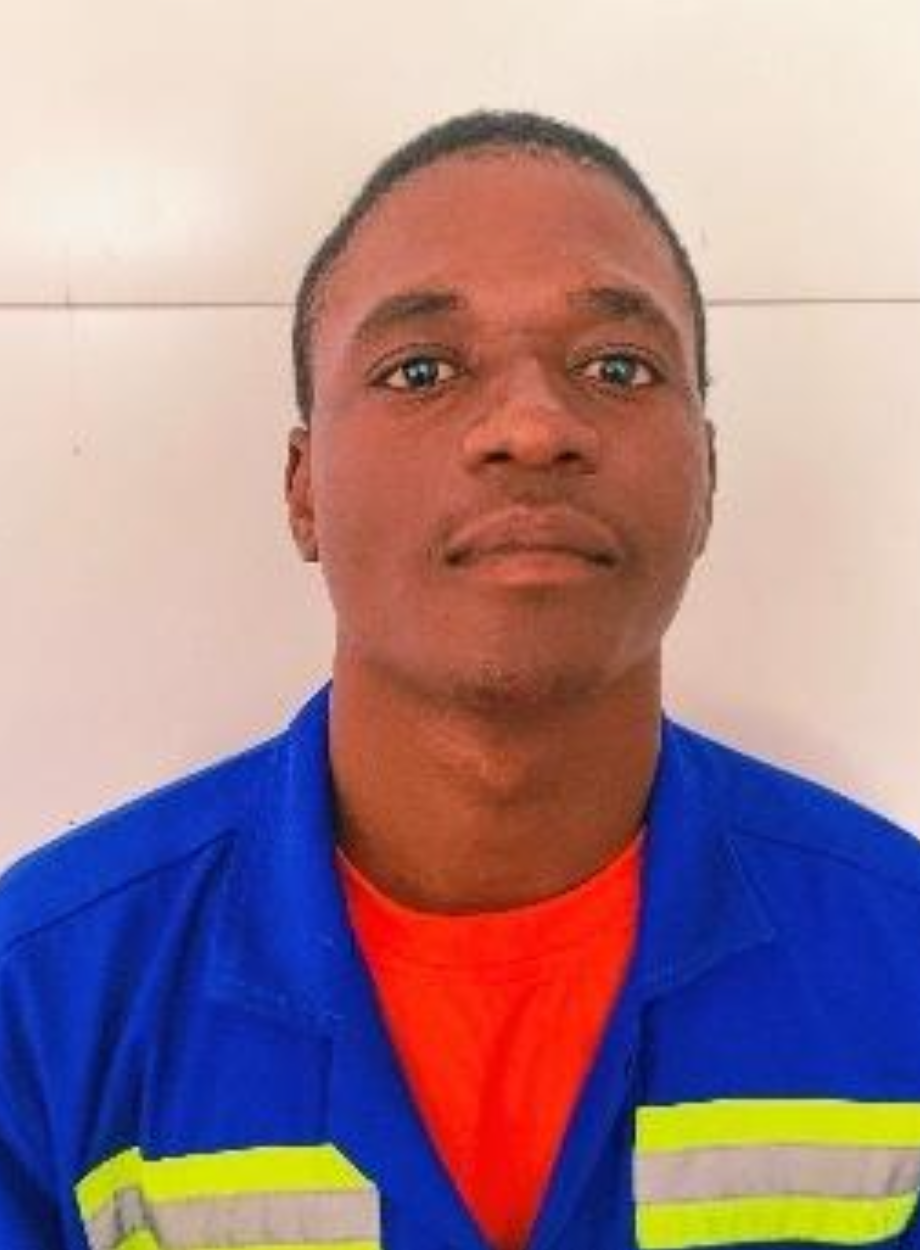
Leeroy Kambadya, Age 20
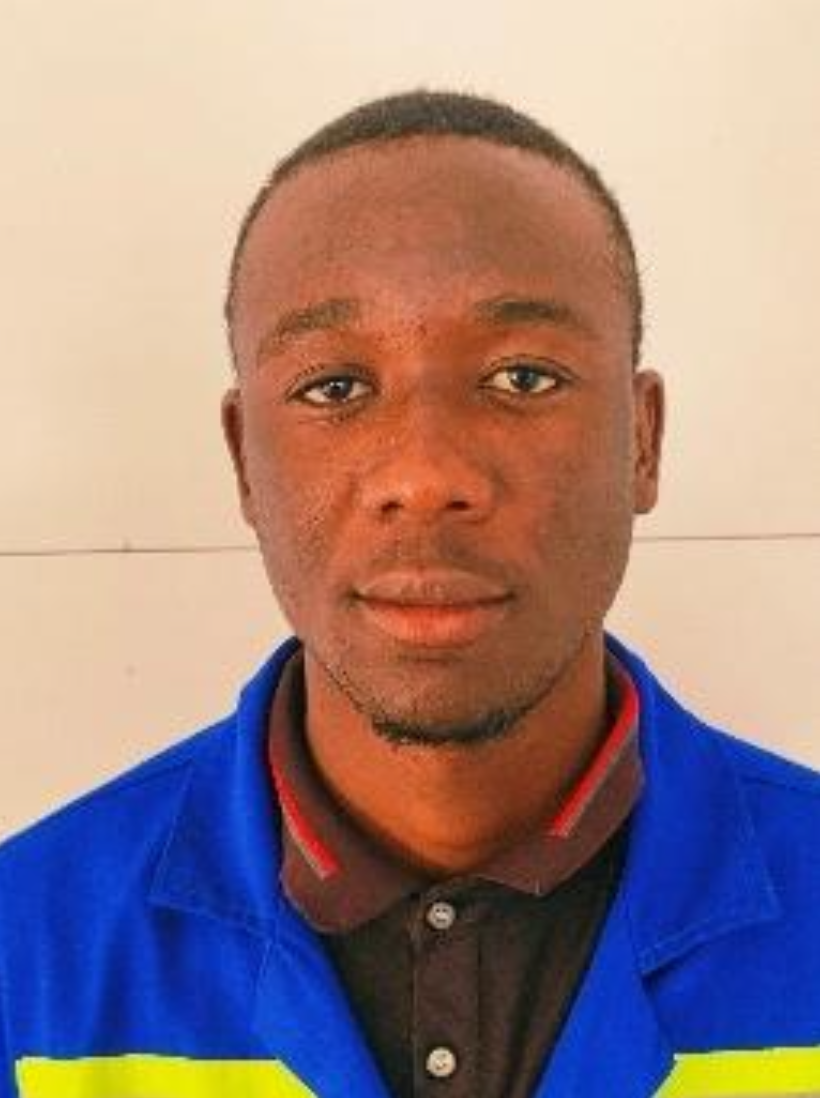
Claperton Sibanda, Age 18
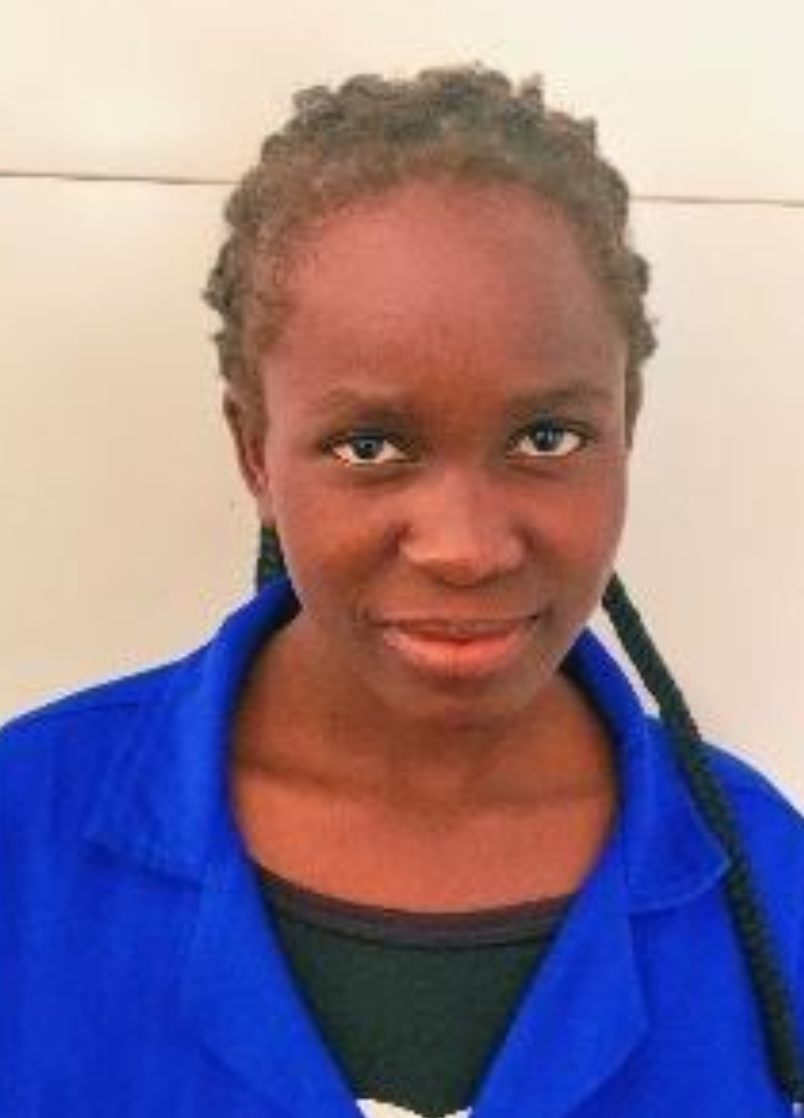
Faith Ndlovu, Age 19
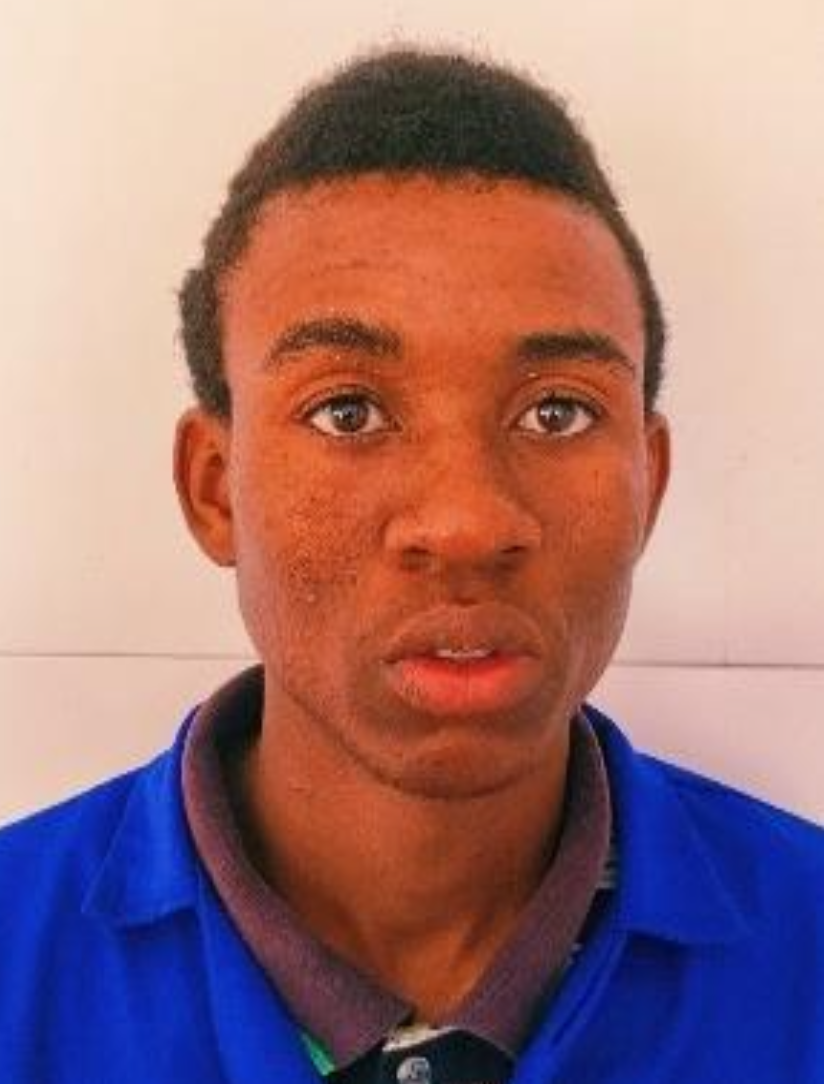
Khonzani Ncube, Age 19
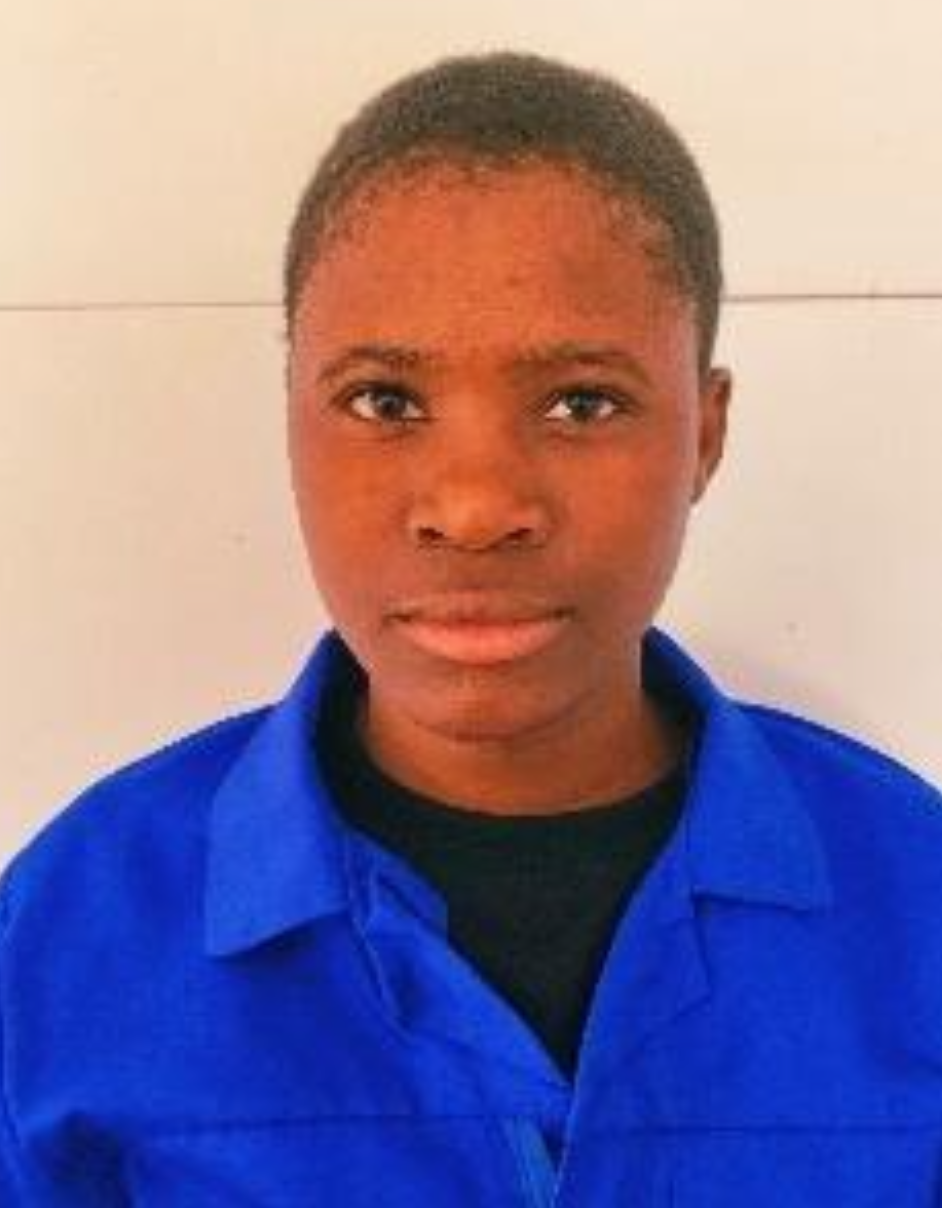
Lindokuhle Pink Thebe, Age 17
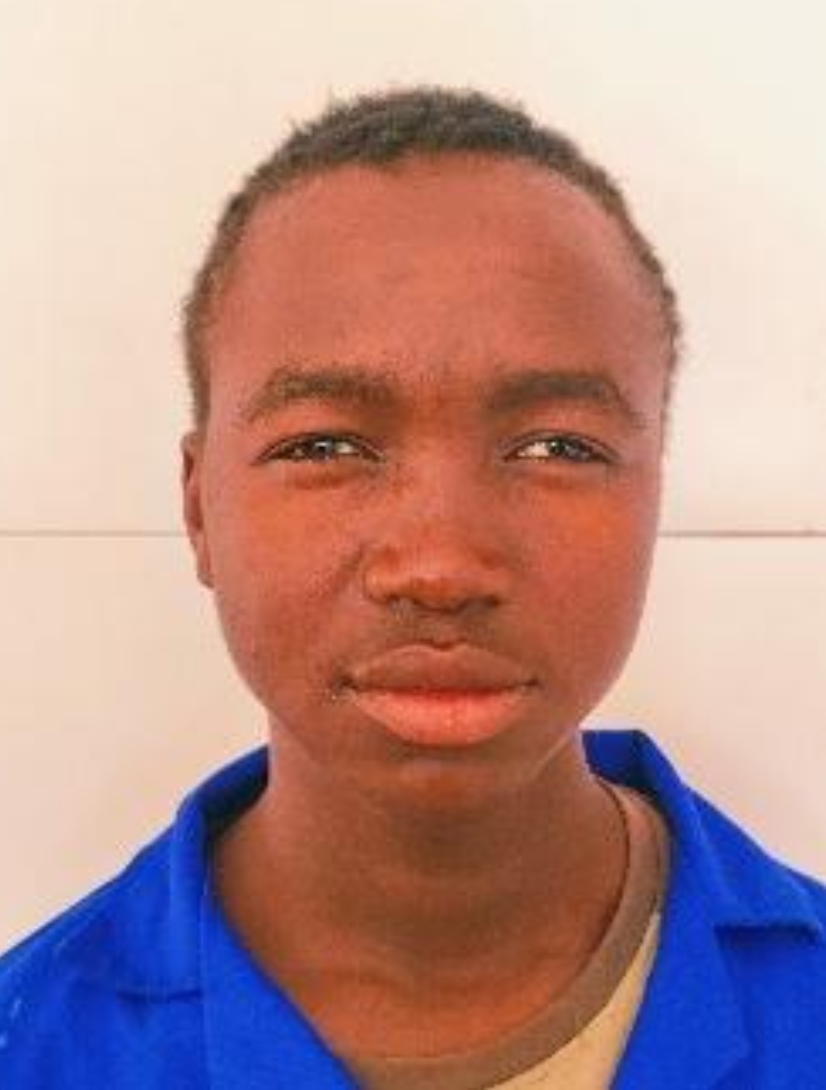
Courageous Chinyemba, Age 17
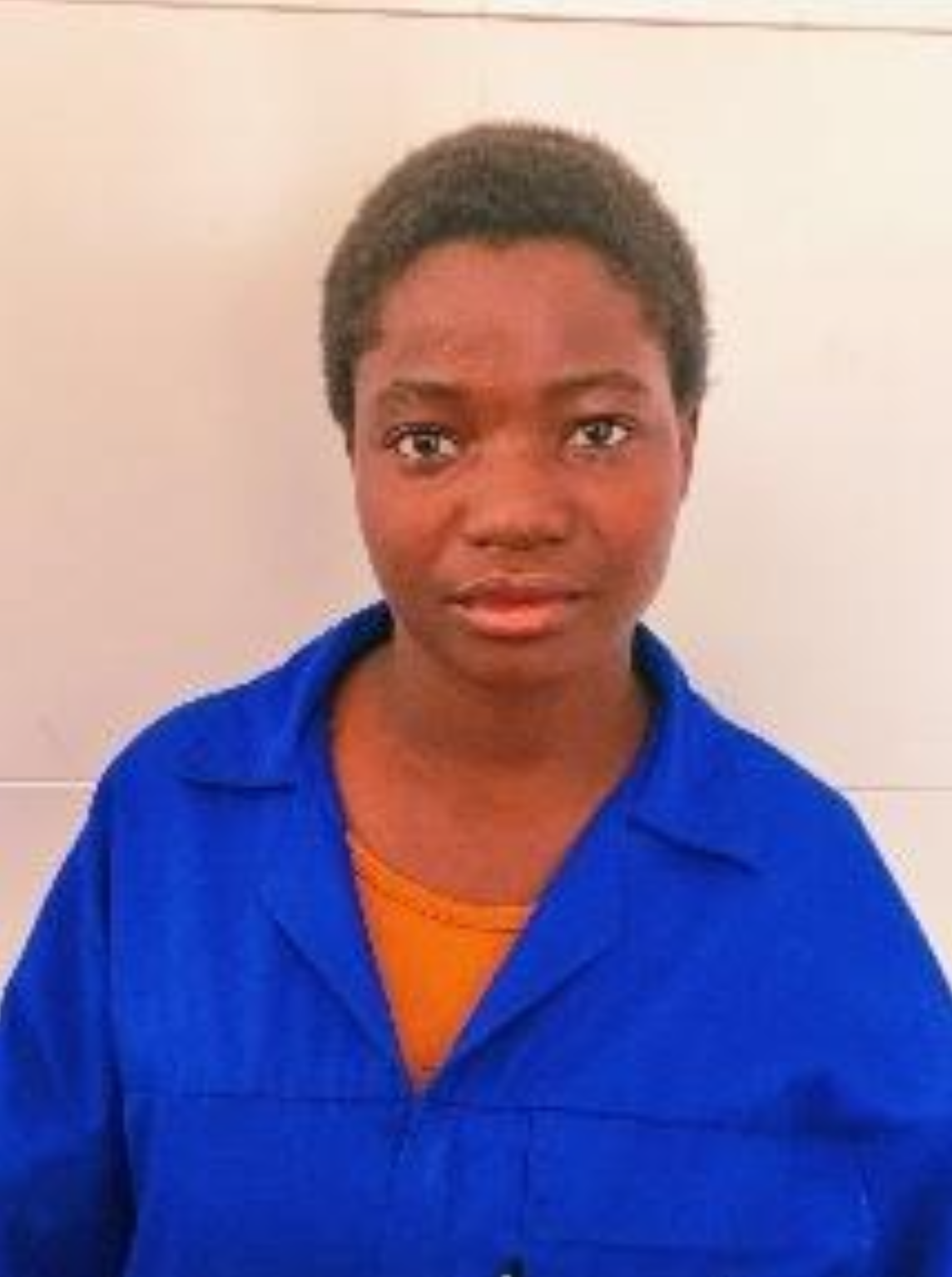
Faith Sibanda, Age 20
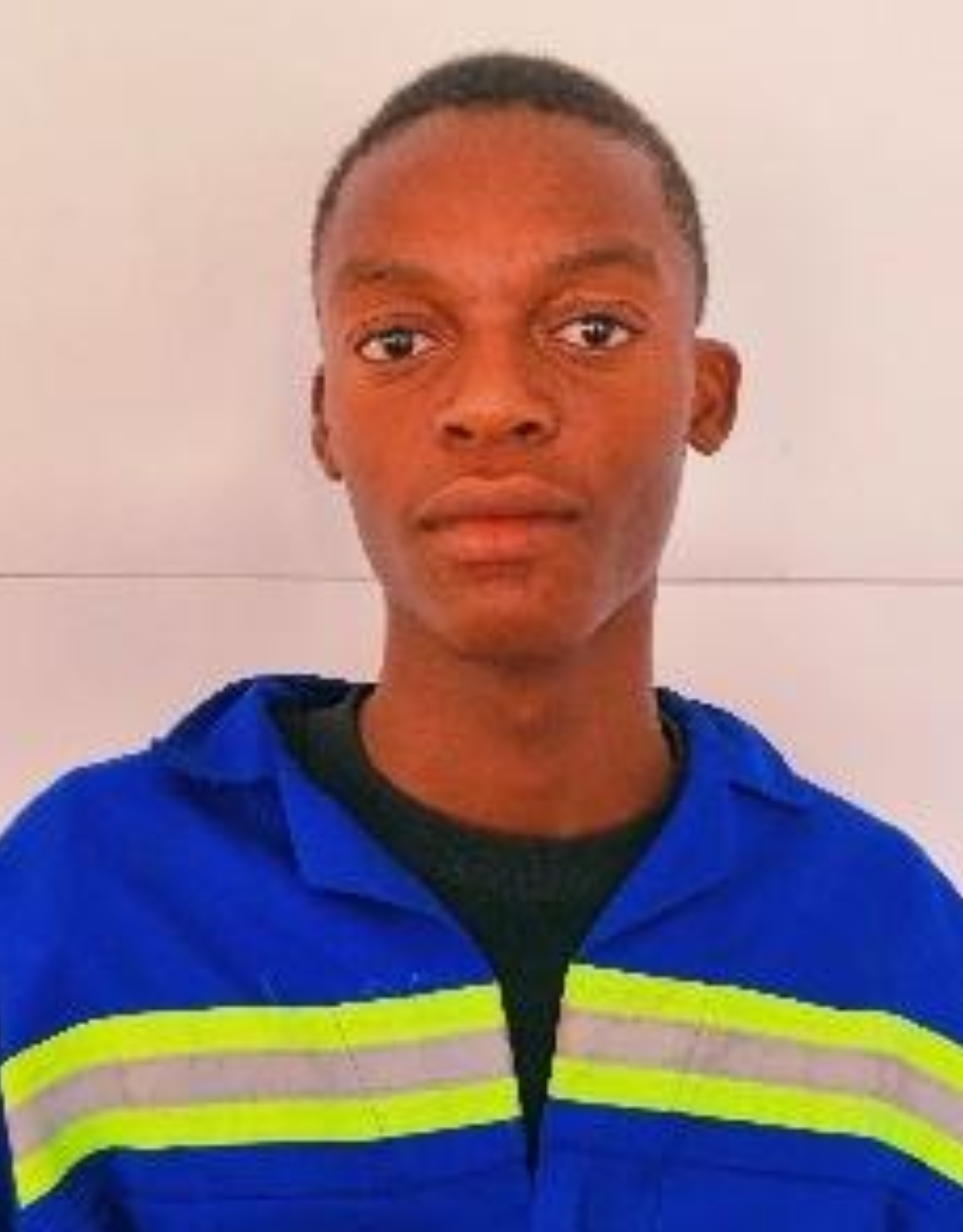
Khululekani Ndlovu, Age 17