
Why Medical Weight Loss Works: The Science Behind Sustainable Results
Weight loss is often framed as a matter of willpower — eat less, move more, try harder. But anyone who has struggled to lose weight (or keep it off) knows there’s much more to the story. Biology, hormones, metabolism, stress, sleep, genetics, and aging all influence how the body gains, stores, and burns fat.
Medical weight loss programs are effective because they operate at the biological level — targeting the mechanisms that make weight loss difficult in the first place. Instead of asking patients to “force” change, medical interventions help the body return to metabolic pathways that support sustainable weight management.
Here’s what the science shows.
1. Appetite Regulation Happens in the Brain — Not the Grocery Store
Hunger, satiety, cravings, and reward pathways are governed by the hypothalamus and influenced by hormones such as:
GLP-1 (glucagon-like peptide-1)
Leptin
Ghrelin
Insulin
Cortisol
When these signals are dysregulated — as is common with insulin resistance, chronic stress, poor sleep, or aging — appetite rises, cravings intensify, and the body defends a higher weight “set point.”
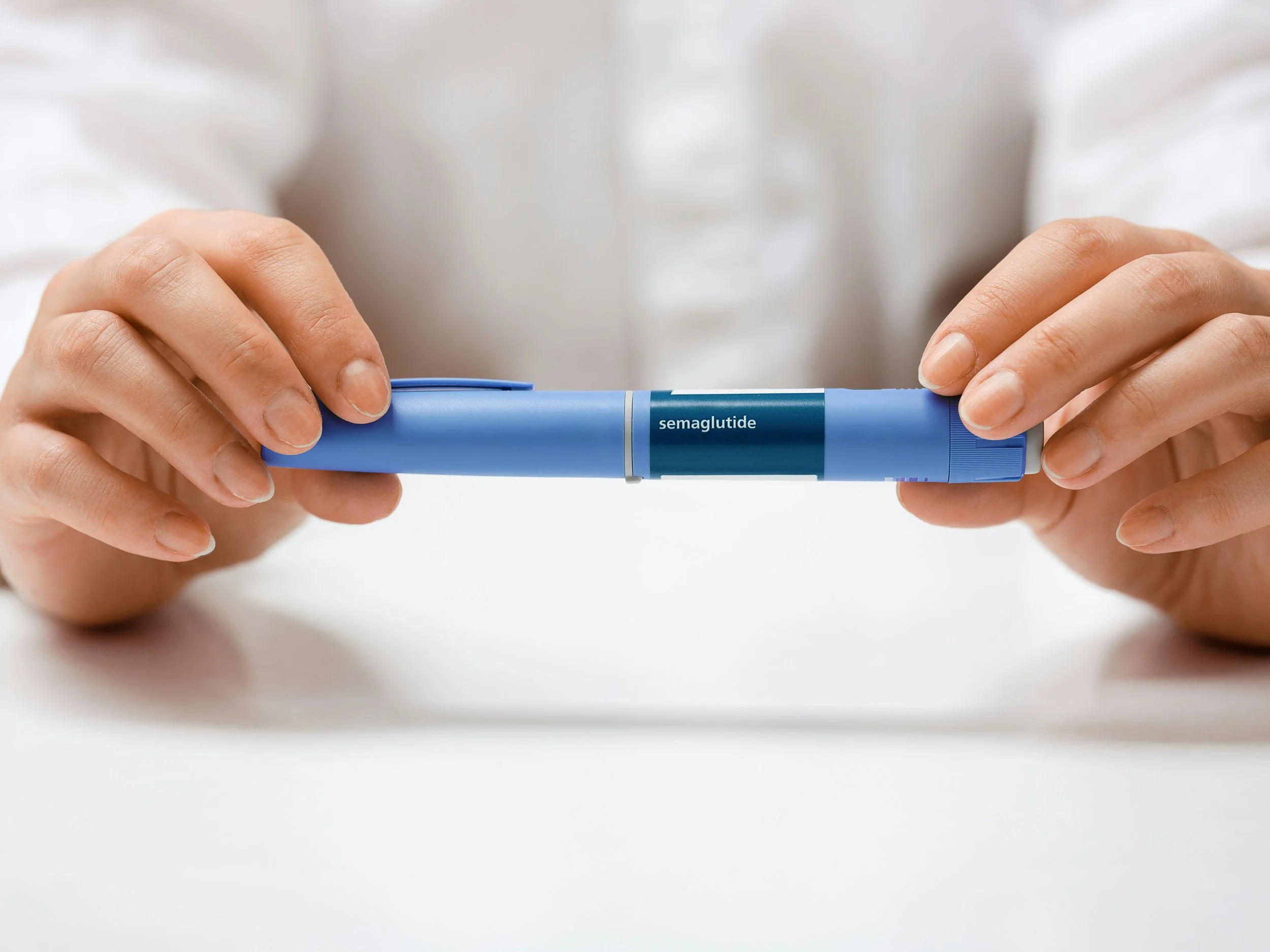
Medications used in modern medical weight loss, including GLP-1 receptor agonists, work by:
✓ Slowing gastric emptying
✓ Enhancing satiety
✓ Reducing cravings
✓ Lowering post-meal glucose spikes
This makes it biologically easier to eat appropriate amounts without constant hunger.
2. Metabolism and Insulin Sensitivity Matter
More than 70% of adults who struggle with weight have some degree of insulin resistance — a condition in which the body produces insulin efficiently, but cells do not respond well to it. The result is elevated insulin, easier fat storage, and impaired fat burning.
Medical weight loss programs improve insulin sensitivity through:
Medication
Nutritional timing
Increased protein intake
Carbohydrate optimization
Muscle-preserving exercise plans
As insulin sensitivity improves, metabolism becomes more flexible, and the body can begin using stored fat for energy.
3. Muscle Preservation is Key to Long-Term Results
Crash diets and extreme calorie restriction often produce rapid weight loss, but a significant percentage of that loss is lean muscle mass. Less muscle means:
Lower resting metabolic rate
Slower calorie burn
Rebound weight gain
Reduced strength and energy
Medical programs prioritize:
✓ Adequate protein
✓ Resistance training
✓ Metabolic monitoring
✓ Progressive nutrition
This protects muscle — the most metabolically active tissue in the body — and supports long-term maintenance.
4. Weight “Set Points” Can Be Adjusted
The body defends weight ranges based on metabolic memory. This is why weight lost through aggressive dieting tends to return — the body perceives it as a threat and activates hormonal systems to restore prior weight.
By combining pharmacological support, nutrition, and behavioral strategies over time, the set point can gradually shift downward, making maintenance more achievable.
5. Sustainable Weight Loss Improves Overall Health
Research shows that even modest weight loss (5–10% of total body weight) can significantly reduce risk for:
Type 2 diabetes
Hypertension
Fatty liver disease
Cardiovascular disease
Sleep apnea
Osteoarthritis
Inflammatory conditions
Patients frequently report improved energy, mobility, sleep, and mood as well.
The Bottom Line
Medical weight loss works because it aligns biology with behavior rather than pitting them against each other. By regulating appetite, improving insulin sensitivity, preserving muscle mass, and shifting metabolic set points — patients achieve results that are more sustainable and more clinically meaningful.
The future of weight management is no longer about trying harder. It’s about treating the physiology that makes weight loss difficult in the first place.
Interested in a Medical Weight Loss Evaluation?
Williams & Weiss Executive Medicine offers a medically supervised weight loss programs designed to optimize metabolic health and support long-term maintenance — not just rapid loss.
To schedule a consultation or learn more about treatment options, please contact us.