
The Benefits of Superfoods: Simple Ways to Improve Your Everyday Diet
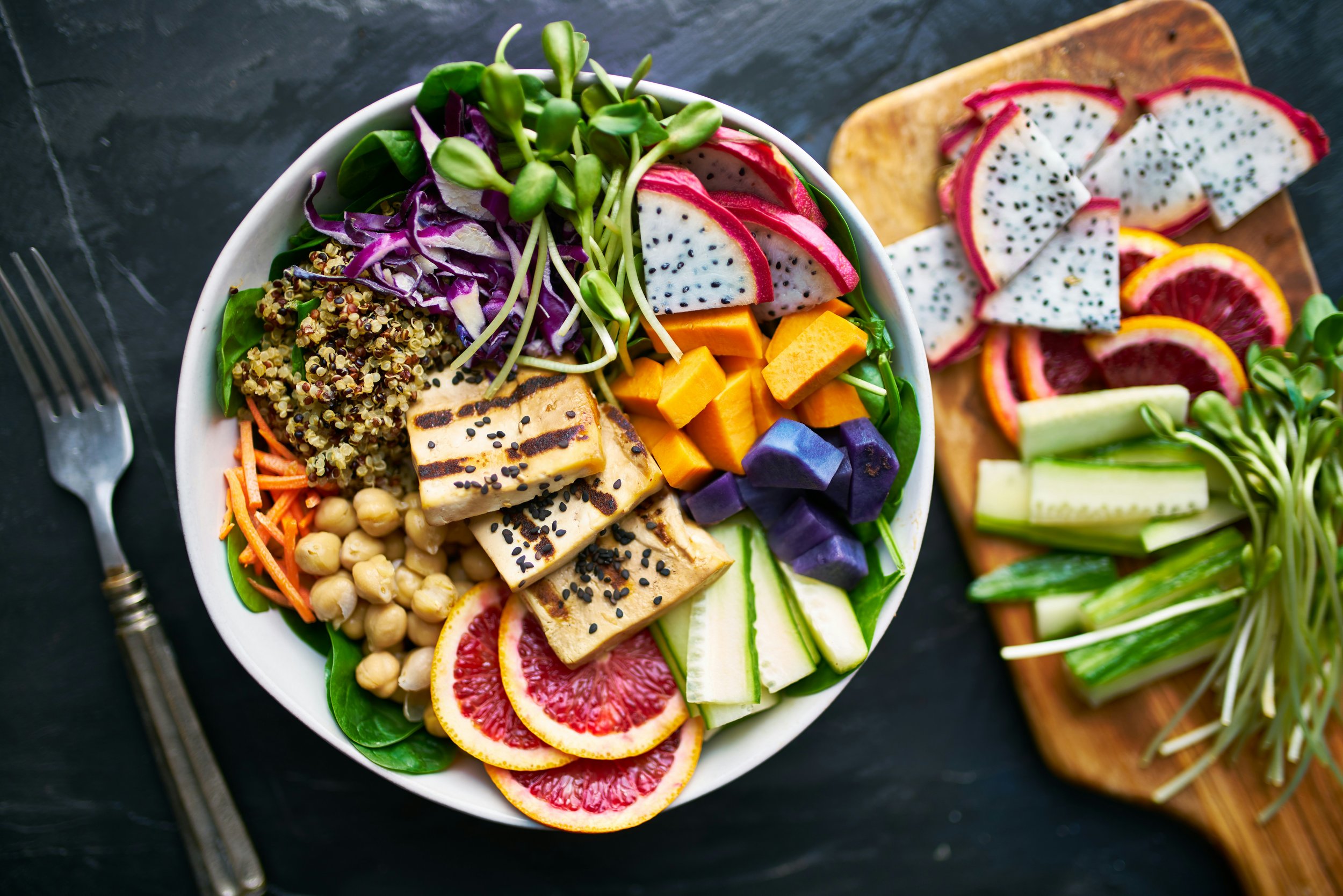
Vibrant colored fruits, vegetables, grains and legumes in a bowl
When it comes to healthy eating, we often hear about the latest superfood promising everything from improved energy to disease prevention. While certain foods are especially rich in beneficial nutrients, the truth is that no single food can provide everything our bodies need.
According to Harvard Health Publishing, the greatest health benefits come from a balanced, varied diet rather than focusing on individual foods. Research consistently supports eating patterns such as the Mediterranean and DASH diets, which emphasize vegetables, fruits, whole grains, healthy fats, and lean proteins. These approaches have been associated with a reduced risk of heart disease, high blood pressure, type 2 diabetes, and other chronic conditions.
Still, incorporating more nutrient-rich foods into your daily meals can be a simple and effective way to support long-term health.
What Makes a Food a Superfood?
Although "superfood" isn't a scientific or regulated nutritional classification, the term generally refers to foods that offer particularly high concentrations of vitamins, minerals, fiber, antioxidants, or healthy fats.
These nutrients support important functions throughout the body, including cardiovascular health, digestion, immune function, and healthy aging. The key is incorporating a variety of these foods into your regular diet rather than relying on any one of them.
10 Superfoods Worth Adding to Your Diet
1. Berries
Blueberries, strawberries, raspberries, and blackberries are rich in fiber and antioxidants. Their natural sweetness makes them an excellent alternative to foods with added sugar. Add fresh or frozen berries to oatmeal, plain yogurt, or smoothies.
2. Fatty Fish
Salmon, sardines, trout, and mackerel provide omega-3 fatty acids, which support cardiovascular health. Consider replacing red meat with fish a couple of times each week.
3. Dark Leafy Greens
Spinach, kale, Swiss chard, and collard greens provide vitamins A, C, and K, along with fiber and other beneficial plant compounds. Add them to salads, soups, omelets, or sauté them with olive oil and garlic.
4. Nuts
Walnuts, almonds, pecans, and hazelnuts contain healthy fats, protein, and important minerals. A small handful makes a satisfying snack or a nutritious addition to salads and breakfast foods.
5. Olive Oil
Extra virgin olive oil contains monounsaturated fats and antioxidants that support heart health. Use it in salad dressings, drizzle it over roasted vegetables, or substitute it for butter in everyday cooking.
6. Whole Grains
Oats, quinoa, brown rice, and whole wheat provide fiber that supports digestion, cholesterol management, and blood sugar regulation. Try replacing refined grains with whole-grain alternatives whenever possible.
7. Yogurt
Plain yogurt provides protein and calcium, while varieties containing live cultures offer beneficial bacteria that may support digestive health. Choose unsweetened yogurt and add fruit or nuts for flavor.
8. Cruciferous Vegetables
Broccoli, cauliflower, Brussels sprouts, and cabbage contain fiber, vitamins, and plant compounds being studied for their potential protective effects against certain diseases. Roasting or sautéing these vegetables can make them an easy addition to meals.
9. Beans and Legumes
Lentils, chickpeas, black beans, and other legumes provide plant-based protein, fiber, and folate. They're also affordable and versatile. Add them to soups, salads, grain bowls, or homemade hummus.
10. Tomatoes
Tomatoes contain vitamin C and lycopene, an antioxidant associated with potential health benefits. Cooking tomatoes with olive oil helps the body absorb lycopene more efficiently. Fresh tomatoes, tomato sauces, and soups are all good options.
Small Changes Can Make a Meaningful Difference
Improving your diet doesn't require a complete overhaul of how you eat. In fact, gradual, sustainable changes are often more practical than restrictive diets.
Consider starting with a few simple habits:
Add a serving of vegetables to lunch and dinner.
Replace a processed snack with fruit or a handful of nuts.
Include fish or plant-based proteins in more weekly meals.
Choose whole grains instead of refined carbohydrates.
Keep frozen berries and vegetables available for quick, nutritious meals.
These changes may seem modest, but over time they can contribute to better overall dietary quality.
A Personalized Approach to Nutrition and Healthy Aging
Nutrition plays an important role in preventive medicine, but individual dietary needs can vary depending on age, medical history, medications, activity level, and existing health conditions.
For example, someone managing diabetes may need to pay closer attention to carbohydrate intake, while someone with cardiovascular disease may benefit from reducing sodium and saturated fat. Older adults may also have different protein and nutritional requirements to help preserve muscle mass and support healthy aging.
At Williams + Weiss Executive Medicine, we view nutrition as one component of a broader approach to long-term health. Understanding your individual risk factors, laboratory results, and health goals can help guide dietary decisions that are both appropriate and sustainable.
Ultimately, healthy eating is less about finding the perfect superfood and more about making thoughtful choices consistently. A varied diet built around nutrient-rich, minimally processed foods remains one of the most reliable ways to support health as we age.
Source: Harvard Health Publishing, Katherine D. McManus, MS, RD, LDN. 10 Superfoods to Boost a Healthy Diet. October 3, 2022.